
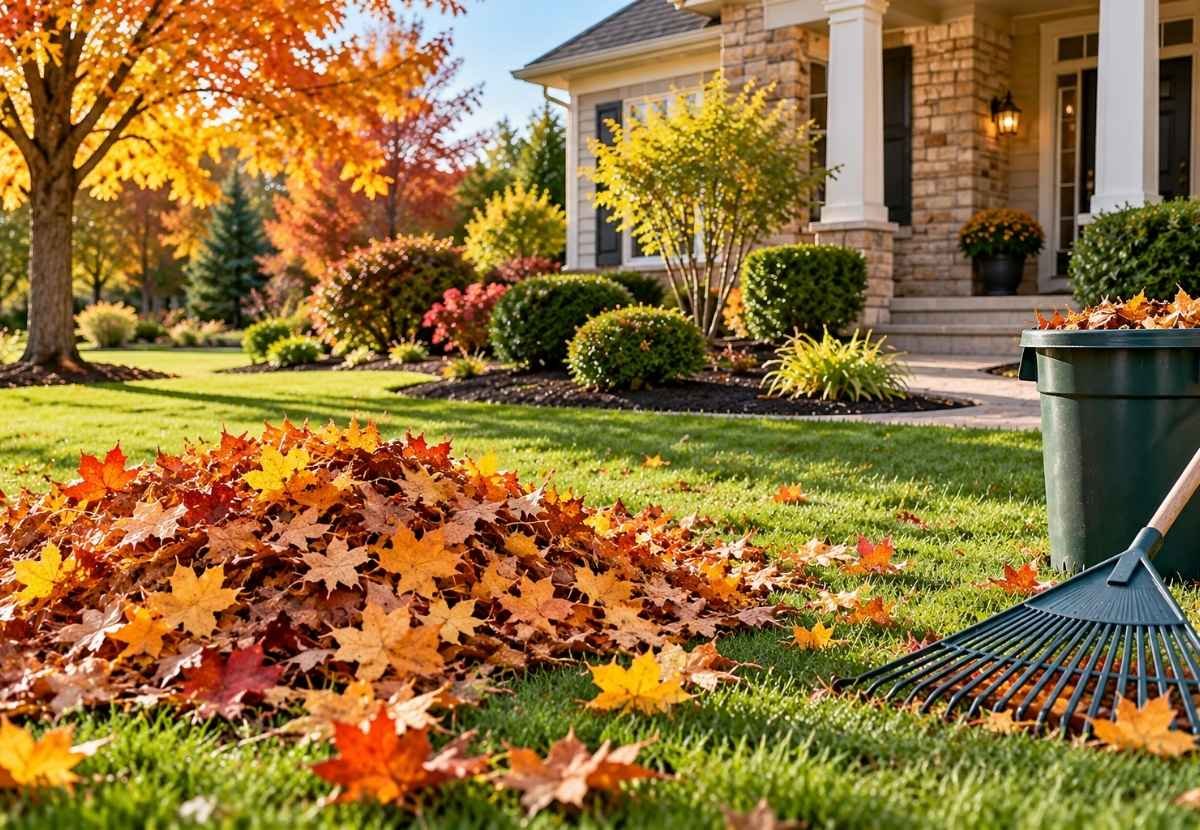
A beautiful lawn requires more than regular mowing and watering. As the seasons change, grass, garden beds, trees, and outdoor spaces collect leaves, branches, dead grass, and other debris that can affect the appearance and health of your property. Spring and fall are the ideal times to address this buildup and prepare your landscape for the weather ahead.
Spring & Fall Cleanups are essential parts of seasonal lawn maintenance. Spring cleanup helps your yard recover after winter, while fall cleanup prepares your lawn for colder temperatures and reduces the accumulation of organic debris. Both services support a cleaner, more organized outdoor environment and create a better foundation for ongoing lawn care.
For homeowners who want to maintain an attractive property without spending every weekend on yard work, professional seasonal cleanup can make a meaningful difference. With a consistent maintenance plan, you can keep your outdoor spaces looking their best throughout the year.
Simple Lawn Services helps homeowners focus on maintaining their outdoor spaces through the changing seasons. Understanding what spring and fall cleanups involve can help you decide when to schedule service and which tasks your lawn needs most.
What Are Spring & Fall Cleanups?
Spring and fall cleanups are seasonal lawn care services designed to remove accumulated debris, tidy landscape areas, and prepare a property for the next stage of the growing cycle.
Although both services improve the appearance of a yard, they have different goals based on seasonal conditions.
Spring cleanup focuses on restoring your lawn after winter. Snow, wind, freezing temperatures, and dormant vegetation can leave behind branches, matted leaves, and other debris. Removing this material helps reveal the lawn and makes it easier to identify areas that need additional care.
Fall cleanup prepares your property for winter. Falling leaves, dead plants, and broken branches can quickly cover the lawn and garden beds. Removing excessive debris helps maintain the yard and makes spring maintenance more manageable.
Typical seasonal cleanup tasks include:
- Removing fallen leaves and loose branches.
- Collecting sticks and other lawn debris.
- Clearing suitable landscape and garden bed areas.
- Removing accumulated dead plant material where appropriate.
- Cleaning up around trees, shrubs, fences, and walkways.
- Preparing lawn areas for seasonal maintenance.
- Collecting and disposing of green waste according to local requirements.
The exact services depend on your property’s size, landscape features, grass condition, and maintenance needs. A well-planned cleanup targets areas that need attention instead of treating every yard the same way.
Why Is Spring Cleanup Important for Your Lawn?
Winter can leave lawns looking tired and uneven. As temperatures rise, removing debris and inspecting the grass helps you prepare for healthy spring growth.
1. Removes Winter Debris
Fallen branches, leftover leaves, and windblown debris can accumulate over winter. These materials make the yard look untidy and may interfere with routine mowing or other lawn care tasks.
Spring cleanup removes this buildup, making the property cleaner and easier to maintain. It also helps reveal damaged areas that may have been hidden beneath leaves or snow.
2. Helps Grass Receive Sunlight and Air
Thick layers of leaves and matted plant material can cover grass and limit the sunlight and air reaching the underlying surface. In persistently damp conditions, this buildup may contribute to lawn problems.
Removing excessive debris helps expose the grass as it begins growing again. However, healthy leaf litter and organic matter in suitable landscape areas do not always need to be removed completely; the goal is to prevent harmful accumulation on lawn surfaces.
3. Makes Lawn Problems Easier to Identify
Once the debris is cleared, you can inspect the yard for bare patches, uneven growth, compacted soil, and areas damaged by winter conditions.
Identifying these problems early helps you plan appropriate follow-up care, such as overseeding, aeration, soil assessment, or adjustments to watering practices.
4. Prepares the Yard for Regular Lawn Care
A clean lawn is easier to mow and maintain. Removing sticks, stones, and other debris also helps reduce obstacles that could interfere with lawn equipment.
Spring cleanup provides a practical starting point for the season’s mowing schedule, edging, fertilization, and other maintenance activities when appropriate.
What Makes Fall Cleanup Essential Before Winter?
Fall is one of the busiest seasons for lawn maintenance because trees shed leaves, plants begin to go dormant, and temperatures gradually decline. Cleaning your property before winter helps keep outdoor spaces organized and prepares the lawn for the following spring.
1. Prevents Excessive Leaf Buildup
Fallen leaves can quickly cover large areas of grass. A thin layer of leaves may be manageable, but thick, wet layers can block light and trap moisture near the lawn surface.
Removing excessive leaves helps protect grass from the effects of prolonged coverage. Depending on the condition of the leaves and the lawn, some dry leaves can also be finely mulched into the grass rather than removed entirely.
2. Keeps the Lawn Easier to Maintain
When leaves and branches accumulate, routine lawn care becomes more difficult. Clearing debris in fall reduces the amount of material left behind when winter arrives.
It also makes the final mowing and other seasonal maintenance tasks easier to complete.
3. Improves the Appearance of Your Property
A lawn covered with fallen leaves, dead annual plants, and scattered branches can make an otherwise attractive property appear neglected.
Fall cleanup creates a neat appearance around the house, driveway, walkways, trees, and landscape beds. This is particularly useful for homeowners who want their property to look well maintained throughout the colder months.
4. Prepares Landscape Beds for Winter
Garden beds may contain fallen leaves, spent annual plants, and other plant material that needs attention before winter. Removing diseased plant material and clearing debris from appropriate areas can help prepare these spaces for the next growing season.
However, not every leaf needs to be removed from every landscape bed. Leaves can provide insulation and habitat for beneficial insects, so cleanup should consider the needs of the plants and local environment.
Which Tasks Are Included in Spring & Fall Cleanups?
The best seasonal cleanup plan depends on your lawn’s condition and the features of your property. Some yards need only basic debris removal, while others require more detailed attention around trees, shrubs, garden beds, and walkways.
Common cleanup tasks include the following.
Leaf and Branch Removal
Leaves, sticks, and fallen branches are among the most common forms of seasonal yard debris. Removing them helps keep grass visible and walking areas clear.
During spring, this work focuses on debris left behind by winter weather. In fall, it involves managing the steady accumulation of leaves and preparing the lawn for winter.
Garden Bed Cleanup
Garden beds often collect leaves, dead annual plants, and broken stems. Clearing unsuitable debris helps maintain a neat appearance and makes it easier to identify plants that need pruning or other attention.
Care should be taken around perennials and beneficial insects that may rely on some natural plant material for winter protection.
Edging and Border Cleanup
Grass can grow along the edges of sidewalks, driveways, and landscape beds. Cleaning these borders helps define different areas of the property and creates a more finished appearance.
Edging may be offered as part of a broader lawn maintenance package or as a separate service, depending on the provider.
Lawn Inspection and Preparation
Seasonal cleanup is also an opportunity to assess the condition of your grass.
Look for bare spots, signs of disease, damaged turf, drainage concerns, and areas where leaves repeatedly accumulate. These observations can help determine whether additional services are needed.
Green Waste Collection
After cleanup, collected leaves, branches, and plant material need to be handled properly. Depending on local requirements and the service arrangement, debris may be bagged, collected for composting, or removed from the property.
Before scheduling service, ask whether debris disposal is included in the quoted price.
When Should You Schedule Spring and Fall Lawn Cleanups?
Timing plays an important role in seasonal lawn maintenance. Scheduling too early or too late may reduce the effectiveness of certain tasks.
Best Time for Spring Cleanup
Spring cleanup is generally appropriate after the worst winter weather has passed and the lawn is accessible without causing unnecessary damage to wet or soft soil.
Consider scheduling cleanup when:
- Snow and ice have largely disappeared.
- The lawn surface is firm enough for foot traffic and equipment.
- Winter debris is clearly visible.
- Grass is beginning to resume active growth.
- You are preparing to start regular lawn maintenance.
Avoid unnecessary traffic on saturated soil, as it can cause compaction and damage emerging grass.
Best Time for Fall Cleanup
Fall cleanup is best scheduled as leaves begin to accumulate, with additional attention given to the final weeks before winter.
You may need more than one visit if mature trees surround your property or if leaves continue falling over several weeks.
A useful approach is to remove heavy leaf buildup periodically instead of waiting until the entire yard is covered. A final inspection can then address remaining debris and prepare the property for colder weather.
Can Professional Spring & Fall Cleanups Save Time and Effort?
Seasonal yard cleanup can take several hours or even multiple days, depending on the property. Homeowners may need to gather tools, collect leaves, move branches, clear landscape beds, and arrange for debris disposal.
Professional lawn care can simplify this process by providing the equipment and labor needed to complete the work efficiently.
Benefits may include:
- Time savings: Spend less time collecting leaves and clearing debris.
- Consistent results: Maintain a cleaner appearance across lawn and landscape areas.
- Convenience: Reduce the need to store and maintain specialized equipment.
- Better seasonal preparation: Address common cleanup tasks before the next season begins.
- Flexible service options: Choose maintenance based on the property’s size and condition.
Professional service is particularly helpful for larger yards, properties with many mature trees, and homeowners with busy schedules.
When comparing lawn care providers, ask about the tasks included, estimated completion time, debris disposal, and whether additional services cost extra. This helps you select a plan that fits your property’s actual needs.
How Can You Maintain Your Lawn Between Seasonal Cleanups?
Spring and fall cleanups provide a strong foundation, but regular attention throughout the year helps keep a lawn in good condition.
You do not need to perform a major cleanup every week. A few simple habits can prevent debris from becoming overwhelming.
- Mow as needed: Follow an appropriate mowing schedule based on grass growth and seasonal conditions.
- Monitor fallen leaves: Remove thick layers before they become wet and compacted.
- Check after storms: Collect fallen branches and other debris that could interfere with mowing or walking.
- Keep walkways clear: Remove leaves and plant material from frequently used outdoor areas.
- Inspect landscape beds: Identify dead or damaged plant material that needs attention.
- Address lawn problems early: Investigate bare patches, drainage issues, and unusual grass discoloration before they become more difficult to manage.
These practices help preserve the benefits of seasonal cleanup and make future maintenance more manageable.
Why Choose Simple Lawn Services for Seasonal Yard Care?
Maintaining a lawn through spring, summer, and fall requires different tasks at different times. Spring focuses on recovery and preparation, while fall emphasizes debris removal and winter readiness.
For homeowners looking for practical outdoor maintenance support, Simple Lawn Services is a resource to consider when planning seasonal lawn care. Visit simplelawnsvc.com to learn more about the company and explore its available services.
Before arranging spring or fall cleanup, consider discussing your property’s specific needs. A lawn surrounded by mature trees may require more frequent leaf collection, while a smaller property may need only a straightforward seasonal visit.
Ask about the following details when requesting a service estimate:
- Which lawn and landscape areas will be cleaned.
- Whether leaf and branch removal are included.
- How green waste will be collected or disposed of.
- Whether edging or additional landscape work is available.
- How weather conditions affect scheduling.
- Whether recurring seasonal maintenance is an option.
Understanding these details helps you make an informed decision and establish realistic expectations for the finished result.
Keep Your Lawn Ready for Every Season
A healthy, attractive lawn benefits from maintenance that changes with the weather. Spring cleanup removes winter debris and prepares the yard for new growth, while fall cleanup manages fallen leaves and helps organize outdoor spaces before winter.
Both services can reduce the effort required for routine lawn care and improve the appearance of your property. By scheduling seasonal cleanup at the right time and addressing debris throughout the year, you can create a more manageable lawn care routine.
If you want to simplify your seasonal maintenance, explore the available options through Simple Lawn Services at simplelawnsvc.com. A well-planned cleanup routine can help your lawn look cared for as the seasons change.
Frequently Asked Questions
Q. What is included in spring and fall cleanups?
A. Common tasks include leaf and branch removal, lawn debris collection, garden bed cleanup, and clearing around walkways and landscape borders. Exact services depend on the property and service agreement.
Q. How many times a year should I schedule lawn cleanup?
A. Many homeowners schedule one cleanup in spring and another in fall. Properties with numerous trees or heavy leaf accumulation may benefit from additional visits during the fall season.
Q. Should I remove all fallen leaves from my lawn in fall?
A. Thick layers should generally be removed or finely mulched to prevent excessive coverage of the grass. Some leaves can remain in suitable landscape areas to support soil health and beneficial wildlife.
Q. Are professional spring and fall cleanups worth it?
A. Professional cleanups can save time, reduce physical effort, and help maintain a tidy property. They are especially useful for larger yards, properties with many trees, and homeowners who prefer assistance with seasonal maintenance.
Learn more about our spring and fall cleanup service in West Michigan. Simple Lawn Services LLC is a service-area business based in Holland, MI, serving Holland, Jenison, Zeeland, Hudsonville, Byron Center and Caledonia, MI. Check our service area or contact us for a free quote. Follow Simple Lawn Services on Facebook.