
If you own a lakeside home in West Michigan, you already know the value of the view—but did you know that the right garden landscape can double the beauty and usability of your waterfront property? A thoughtfully planned outdoor space not only boosts your enjoyment on‑site but also increases curb appeal and long‑term value for your shoreline investment.
In this detailed guide, we’ll walk through modern landscape design strategies tailored to waterfront lots, with practical ideas your neighbors on Lake Michigan or one of West Michigan’s inland lakes can actually implement. We’ll cover everything from front yard landscaping near the road to lakeside patios, native planting, and low‑maintenance features that stand up to Michigan’s four seasons.
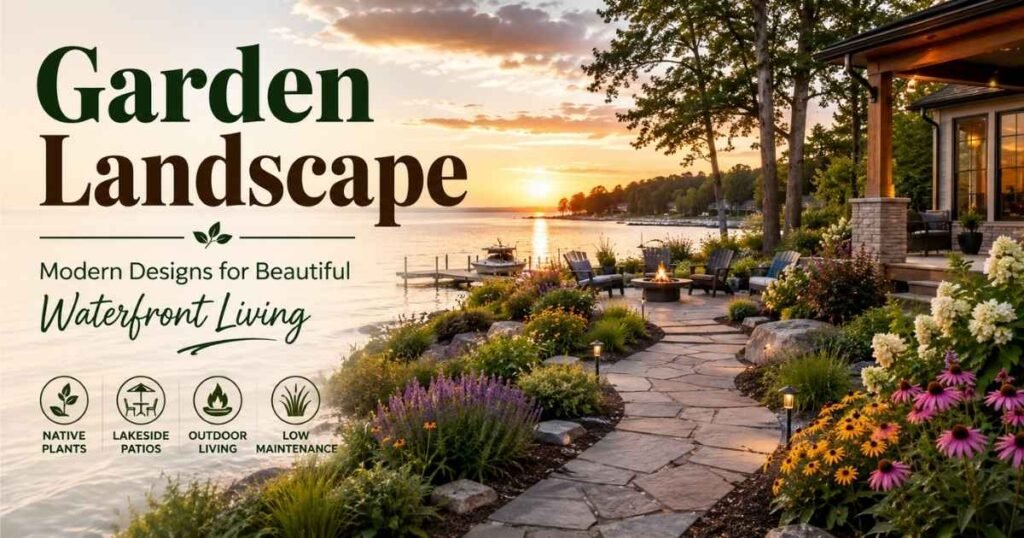
Why Waterfront Landscaping Matters
Waterfront homes are special because they merge architecture with nature. A poorly designed yard can block the view or erode the shoreline, while a well‑planned garden landscape highlights the water, controls erosion, and creates usable outdoor rooms.
Key benefits of intentional waterfront landscaping include:
- Enhanced curb appeal for your front yard and driveway approach.
- Better erosion control and drainage along the shoreline.
- Increased privacy without losing the lake vista.
- More outdoor living space for grilling, entertaining, and relaxing.
Because local regulations often govern shoreline work, many West Michigan property owners start with a few simple upgrades—such as reshaping the front yard or installing a low‑maintenance patio—before tackling more complex dock or bulkhead projects.
Start with the Big Picture: Site Planning
Before you pick plants or pavers, sketch out a simple master plan that considers these elements:
- View corridors toward the lake
- Existing trees and slopes
- Driveway and front yard landscaping layout
- Lake access and docking area
Think of your property as three zones: the roadside/front yard, the side and backyard transition, and the shoreline/lakeside section. Each zone should feel connected but serve a slightly different purpose.
For example, a modern landscape design might use clean lines and geometric shapes in the front yard, then transition to softer, naturalistic planting along the shoreline. This contrast keeps the property feeling intentional without stifling the sense that you’re living on the water.
Front Yard Landscaping Near the Shore
For many waterfront properties, the front yard sets the first impression long before visitors reach the lake side of the house. In West Michigan, homeowners often balance curb appeal with practicality—managing snow, spring runoff, and seasonal traffic from guests.
Curbing and Curves
Avoid straight, rigid lines from the driveway into the yard. Instead, use gentle curves for:
- Walkways to the front door
- Flower beds along the driveway
- Tree groupings closer to the street
Curved edges echo shoreline contours and feel more natural, which is especially important when you want your front yard landscaping to feel like a prelude to the lakeside experience.
Planting Foreground Features
Choose plants that frame but don’t block the view as you move toward the house. Some effective options include:
- Low‑growing shrubs such as dwarf boxwood or compact hydrangea
- Small ornamental trees like flowering dogwood or Japanese maple
- Perennial beds with color‑rich but not overly tall plants
Keep the tallest elements closer to the house or along the side of the driveway, so the front yard feels open and welcoming.
Modern Landscape Design for Side and Back Yards
Once you move past the front entry, your focus shifts to blending contemporary style with the natural feel of the lakeside setting. A modern landscape design for a waterfront property often emphasizes clean materials, simple shapes, and layered planting.
Hardscaping with Purpose
Hardscaping—patios, walkways, steps, and retaining walls—creates structure in your yard. On a waterfront lot, it also helps guide foot traffic away from vulnerable shoreline areas.
Consider:
- Flagstone or natural stone patios that blend with the surrounding rocks and water.
- Concrete pavers in neutral tones that echo sand or weathered wood.
- Curved walkways leading from the house toward the lake or dock.
Raised patios or multi‑level decks can add visual interest without blocking the view, especially if you use low‑profile railings or glass panels.
Low‑Maintenance Ground Covers
Traditional grass can struggle in sandy or sloped shoreline areas. Instead, many West Michigan owners use:
- Native grasses such as little bluestem or prairie dropseed
- Ground covers like creeping thyme or sedum
- Gravel beds with drought‑tolerant perennials
These options reduce mowing, limit erosion, and still look attractive year‑round.
Designing the Lakeside Garden Landscape
The shoreline is where the garden landscape truly earns its keep. Here, you’re not just decorating—you’re managing slope, runoff, and wildlife while creating a usable outdoor living space.
Work With the Shoreline, Not Against It
Before you bulldoze or sod, check local zoning and environmental rules. Many West Michigan counties restrict how much you can alter the shoreline, including the use of bulkheads or chemical herbicides. In many cases, “naturalizing” the shoreline with native plants is not only allowed but encouraged.
Effective strategies include:
- Planting buffer strips of native grasses and wildflowers along the water’s edge.
- Using boulders and cobble to slow erosion and soften the line between soil and water.
- Installing low retaining walls or steps only where absolutely necessary for access.
This approach keeps the lake healthy and gives your property a more organic, “lakeside retreat” feel.
Creating a Lakeside Patio or Deck
A lakeside patio or deck functions as an extension of your living room with a view. To design it for West Michigan conditions:
- Orient the space so it faces sunset or your favorite stretch of lake.
- Choose weather‑resistant materials such as composite decking, natural stone, or pressure‑treated wood with a high‑quality finish.
- Add at least one covered seating area or pergola to protect from sun and sudden summer showers.
If your property slopes, you may want multiple small patios at different levels rather than one massive flat area. This breaks up the space visually and reduces grading impact on the shoreline.
Choosing the Right Plants for a Waterfront Yard
Plant selection is one of the most important parts of your garden landscape, especially when you’re dealing with lake‑driven humidity, wind, and fluctuating moisture.
Favorite Native Plants for West Michigan
Native plants require less fertilizer, withstand local pests better, and support pollinators and birds. Some excellent choices include:
- Black‑eyed Susan (Rudbeckia) – bright, low‑maintenance flowers that thrive in full sun.
- Purple coneflower (Echinacea) – drought‑tolerant and deer‑resistant in many areas.
- Switchgrass and little bluestem – airy grasses that add movement and texture.
- Serviceberry (Amelanchier) – small native tree with spring flowers and fall color.
Group plants in drifts of three or five rather than lining them up like soldiers. This looks more natural and is easier to maintain.
Avoiding Invasive Species
Some plants that look lovely on paper can quickly overrun lakeside properties. Invasive species like Japanese knotweed or certain ornamental grasses can spread into wetlands and along the shoreline, harming native ecosystems. Always confirm that your chosen plants are not on Michigan’s invasive‑species list before planting.
Adding Functional Waterfront Features
A waterfront property isn’t complete without a few practical and fun features that make the garden landscape truly usable.
Docks and Access Paths
- A floating or fixed dock extends your living space onto the water for fishing, docking small boats, or just relaxing.
- Access paths from the house to the dock should be wide enough for two people and use non‑slip materials such as textured stone or treated wood.
Many West Michigan owners place a small bench or two‑chair seating area at the end of the dock so they can watch the water or host intimate gatherings.
Fire Pits and Outdoor Seating
A fire pit near the lakeside patio makes evenings cozier and extends the usable season into cooler spring and fall nights. When planning one:
- Place it at least 10–15 feet from the house and any overhanging branches.
- Use a stone or metal fire pit ring to contain flames and embers.
- Surround it with built‑in seating or comfortable chairs to encourage conversation.
If space allows, consider a second seating area closer to the water, perhaps with a small fire bowl or gas lanterns for a softer, more romantic ambiance.
Integrating Modern Aesthetic into Your Landscape
A modern landscape design doesn’t have to mean stark minimalism. For waterfront homes, it often means fewer, more intentional elements, clean lines, and thoughtful details.
Simplify Planting Palettes
Rather than using dozens of plant types, choose a backbone of 5–8 species and repeat them in different parts of the yard. For example:
- A repeated ornamental grass
- One or two flowering shrubs
- A signature tree or small evergreen
This repetition creates rhythm and saves you from constantly shopping for new and unusual plants.
Use Monochrome or Neutral Hardscape
Neutral hardscape colors—greys, tans, and warm browns—tend to disappear into the landscape, letting the water and plants become the stars. This approach works especially well for front yard landscaping along busy roads, where flashy colors can look out of place.
Smart Lighting and Ambience
Good lighting turns a beautiful garden landscape into an evening destination. On a waterfront property, subtle illumination is key so you don’t create a harsh glare that reflects off the water.
Layered Lighting Ideas
Think in three layers:
- Task lighting for steps, patios, and docks.
- Accent lighting for trees, shrubs, and architectural details.
- Ambient lighting with low‑level, warm‑tone fixtures along walkways.
Solar‑powered path lights or LED strip lighting under low‑profile benches can give you plenty of visibility without overwhelming the scene.
Long‑Term Maintenance Tips
Even the most beautiful waterfront landscaping will fade if it’s too high‑maintenance. West Michigan owners usually prioritize:
- Mulched beds around trees and shrubs to reduce weeds and retain moisture.
- Drip‑irrigation zones for key areas instead of watering the entire yard.
- Seasonal cleanups that remove debris before heavy rains or spring runoff.
Working with a local landscape designer familiar with lakeside properties can help you choose plants and features that thrive with minimal fuss.
Bring Your Waterfront Vision to Life
If you’re ready to transform your waterfront property into a cohesive, inviting garden landscape that blends modern landscape design with the natural beauty of West Michigan’s lakes, now is the perfect time to act. Start by sketching your existing zones—front yard, side yard, and lakeside—and marking where you’d like patios, planting beds, and access paths.
If you’re unsure where to begin, consider booking a consultation with a local landscape architect who has experience with front yard landscaping and lakeside projects. They can help you balance aesthetics, local regulations, and long‑term maintenance so your waterfront property feels like a true lakeside retreat for years to come.